Live satellite data  ·  Updated 2× daily

AI-Powered Offshore
Fishing Intelligence

Daily habitat suitability maps for Southern Bluefin Tuna, Yellowfin Tuna and Mahi-Mahi across Oceania — from Australia to Fiji, built on real satellite oceanography, not guesswork.

14-day free trial Cancel anytime AUD pricing

Everything you need to find fish

Real satellite oceanography combined into a single, easy-to-read habitat score — interactive, zoomable, and updated every 12 hours.

🗺️
Fully Interactive Maps

Zoom from the full Oceania view — Australia, NZ, Indonesia, PNG and the Western Pacific — down to a single bay anywhere in the region. Every pixel stays sharp, every layer stays live — toggle species, SST, chlorophyll or currents in real time without reloading.

🎣
Multi-Species HSI

Separate Habitat Suitability Index models for Southern Bluefin Tuna, Yellowfin Tuna and Mahi-Mahi — each tuned to that species' preferred thermal window and prey environment.

🌡️
SST & Thermal Fronts

NASA MUR sea surface temperature at 0.02° resolution (~2.2 km per pixel). Thermal gradient overlays reveal rips, eddies and frontal zones.

🌊
SSH & Surface Currents

Copernicus altimetry (sea surface height anomaly) plus live surface current speed and direction — the eddies, rips and convergence zones that concentrate bait and pelagics, drawn straight from the source data used by commercial fleets.

Three species. One map.

Purpose-built HSI models for each species — tailored thermal ranges, prey signals and habitat preferences.

🔬

Actively expanding. RipVision AI currently tracks SBT, YFT and Mahi-Mahi. Additional species — including Striped Marlin, Broadbill Swordfish and Albacore — are in development and will be added as models are validated. This is a living product, growing with each season.

HSI Layer Mahi-Mahi / Dolphinfish
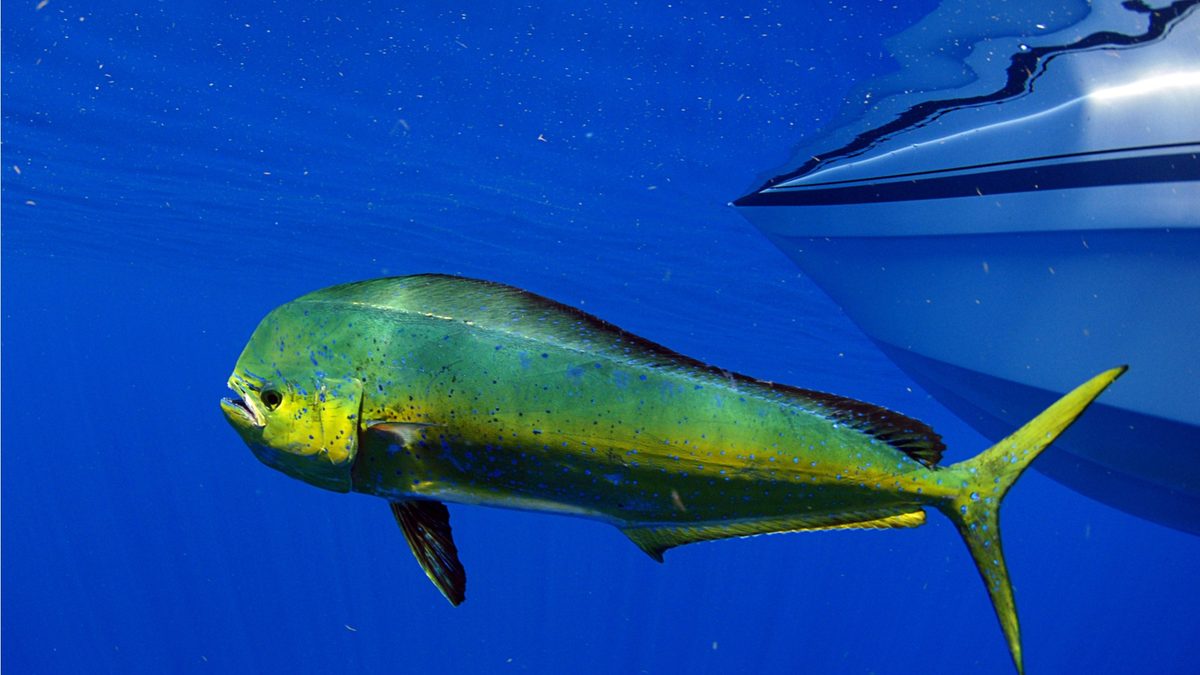
Mahi-Mahi Coryphaena hippurus
HSI Layer Yellowfin Tuna
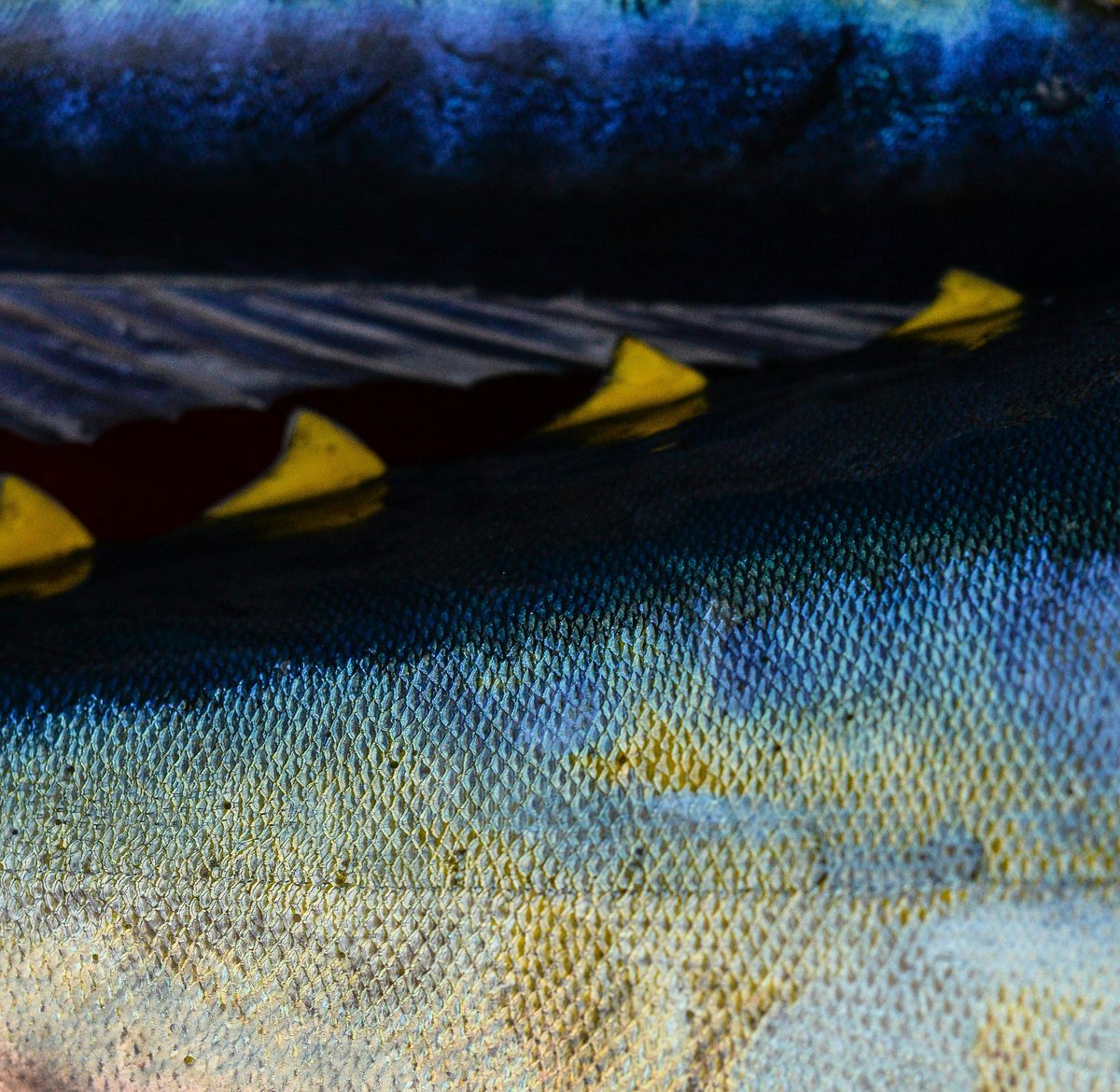
Yellowfin Tuna Thunnus albacares
HSI Layer Southern Bluefin Tuna
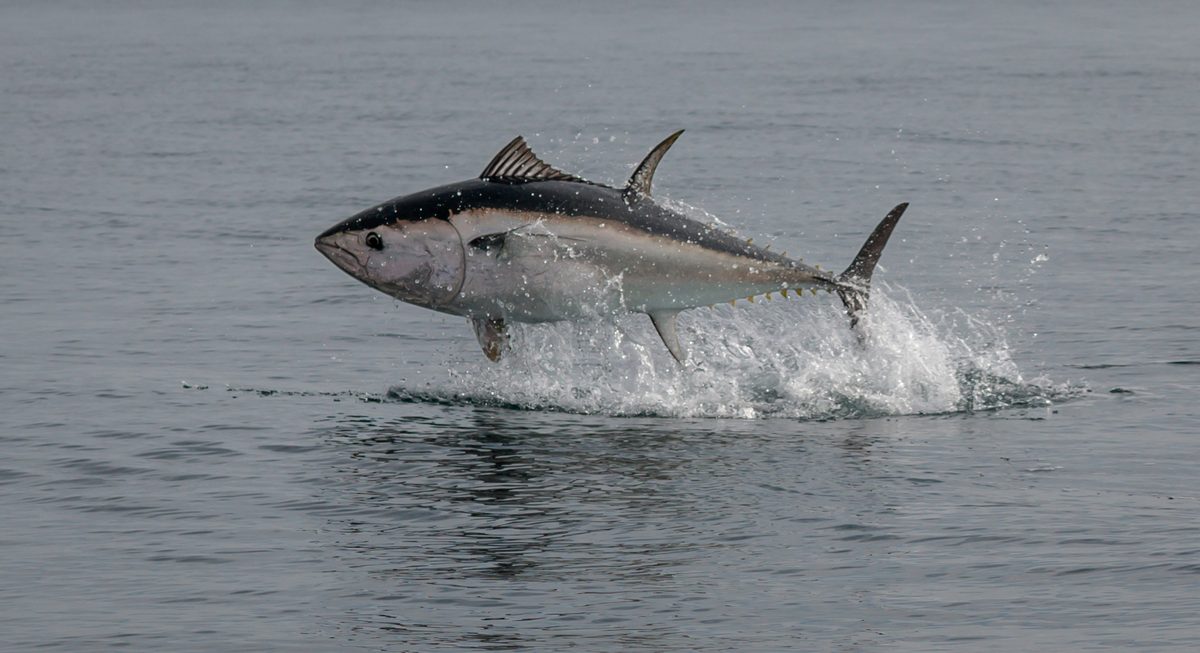
Southern Bluefin Tuna Thunnus maccoyii

Every layer, every source

No black boxes. Here's exactly what's inside the maps and where it comes from.

Habitat models

  • Southern Bluefin Tuna HSI RipVision model 0–1 habitat suitability score, tuned to SBT thermal preference
  • Yellowfin Tuna HSI RipVision model 0–1 habitat suitability score for tropical / sub-tropical YFT
  • Mahi-Mahi HSI RipVision model 0–1 habitat suitability for Coryphaena hippurus

Ocean data

  • Sea Surface Temperature NASA MUR 0.02° (~2.2 km/pixel), 10–28 °C jet palette
  • Chlorophyll-a Ocean colour 0–2 mg m⁻³ from satellite ocean colour — finds productive water
  • Temperature Breaks Derived from MUR Thermal gradient 0–0.13 °C/cell — rip and front intensity
  • Sea Surface Height Copernicus −0.3 to +0.3 m anomaly — reveals eddies and convergence
  • Surface Currents Copernicus 0–1.5 m/s magnitude field, plus animated flow lines
  • Bathymetry GEBCO 0–6000 m depth — shelf edge, canyons, seamounts

Overlays

  • Hillshade Toggle 3D relief shading over the active data layer
  • Depth Contours Toggle 50–2000 m isobaths
  • Animated Currents Toggle Velocity vector flow lines — Off / Short / Long trails

What the maps look like

Yellow & orange pixels = peak habitat. Purple = marginal. Black = unsuitable. Zoom into any patch of ocean across Oceania and the resolution holds.

Coverage spans Oceania — Australia, New Zealand, Indonesia, PNG to Fiji and the Western Pacific. Get access →

What is RipVision AI?

RipVision AI analyses real-time satellite oceanography to build a daily Habitat Suitability Index (HSI) for target pelagic species. Six environmental variables — sea surface temperature, chlorophyll-a concentration, sea surface height anomaly, mixed layer depth, thermal gradients and prey indicators — are combined into a single colour-coded map that shows where conditions are most favourable right now.

Data is fetched automatically from NASA's JPL MUR SST dataset at 0.02° resolution, MODIS Aqua daily chlorophyll, and Copernicus Marine Service altimetry and mixed layer products. The pipeline checks for new satellite data twice daily — note that NASA MUR SST is published with a ~24-hour processing lag, so maps typically reflect conditions from 24–48 hours ago.

The result is a tool that gives offshore anglers across Oceania the same quality of oceanographic intelligence previously available only to commercial fishing operations — delivered as an easy-to-read interactive web map, updated every 12 hours.

Data Sources

NASA JPL MUR SST
0.02° daily global sea surface temperature · Multi-scale Ultra-high Resolution
MODIS Aqua CHLA
Daily chlorophyll-a · 0.04° resolution · NOAA CoastWatch
Copernicus Marine
SSH altimetry · Mixed layer depth · Copernicus Marine Service (CMEMS)
IMOS / AODN
Australian in-situ oceanographic observations · Integrated Marine Observing System

Simple, transparent pricing

Start with a 14-day free trial — then pay only if you stay. Full access to every species map and ocean data layer across the full Oceania coverage area. No hidden fees, cancel anytime.

Monthly
$9.99
AUD per month
  • SBT, YFT & Mahi-Mahi HSI maps
  • Full Oceania habitat map (Australia to Fiji)
  • SSH, currents & thermal gradient layers
  • Updated 2× every 24 hours
  • Cancel anytime, no lock-in
Start Free Trial

14-day free trial  ·  No charge until day 15  ·  Cancel anytime  ·  Secured by Stripe

Contact Us

Questions, feedback, or bug reports — we read every message.